
Every senior who will need care in 2030 is alive today. The homes they need are not being built.
Shepherd Premier Senior Living runs small residential assisted living and memory care homes: 10 to 20 residents per home, not 100 to 200, with one caregiver for every 5 to 8 residents.
Market data: NIC MAP®, Senior Housing Market Outlook, Second Edition (2026), using NIC MAP® data and U.S. Census Bureau projections.
"Markets move on sentiment. Aging moves on a calendar."
The Demand: Six Facts Behind the Trend
Demand for senior housing is set by people who are already alive, and it is showing up as real move-ins while construction has slowed.
The Steepest 80+ Growth on Record
The first Baby Boomers turned 80 in 2026. Census projections show the 80+ population growing about one-third by 2030, about two-thirds by 2035, and nearly doubling by 2040. That is roughly 5 million more Americans over 80 within five years, and 13 million within fifteen.
Occupancy Is Rising by Every Measure
Stabilized occupancy has passed 90%, and median occupancy is near 93%. Total occupancy, which includes communities still filling up, is on pace to pass 90% by the end of 2026.
Move-Ins at Record Levels
Since 2022, net absorption (the net increase in occupied units) has averaged about 32,000 units a year, roughly 50% above the pre-2020 record of under 22,000. Every quarter since 2022 has beaten the pre-2020 record.
Construction Down Two-Thirds
Senior housing construction starts fell from more than 30,000 units in 2021 to about 10,000 in 2025, a 67% drop and a level last seen after the Great Recession.
Demand Is Outrunning Supply
In 2022, the 80+ population began growing faster than senior housing inventory. NIC MAP projects the gap widening through the decade: population growth approaching 7% a year against inventory growth near 1%.
Higher-Income Households Growing Fastest
Among Americans 85 and older, the highest-income households are projected to grow more than three times faster than the 85+ population overall. NIC MAP also notes that many lower-income seniors will rely on Medicaid and middle-market options.
NIC MAP®, Senior Housing Market Outlook, Second Edition (2026), using NIC MAP® data, U.S. Census Bureau projections and Claritas. Figures paraphrased.
How Far Behind Is America?
Pick a year to see how many new senior housing units NIC MAP estimates the country needs to keep occupancy at 90%. The tool compares that with what today's building pace delivers and what building those units could cost.
How a Shepherd Premier home works
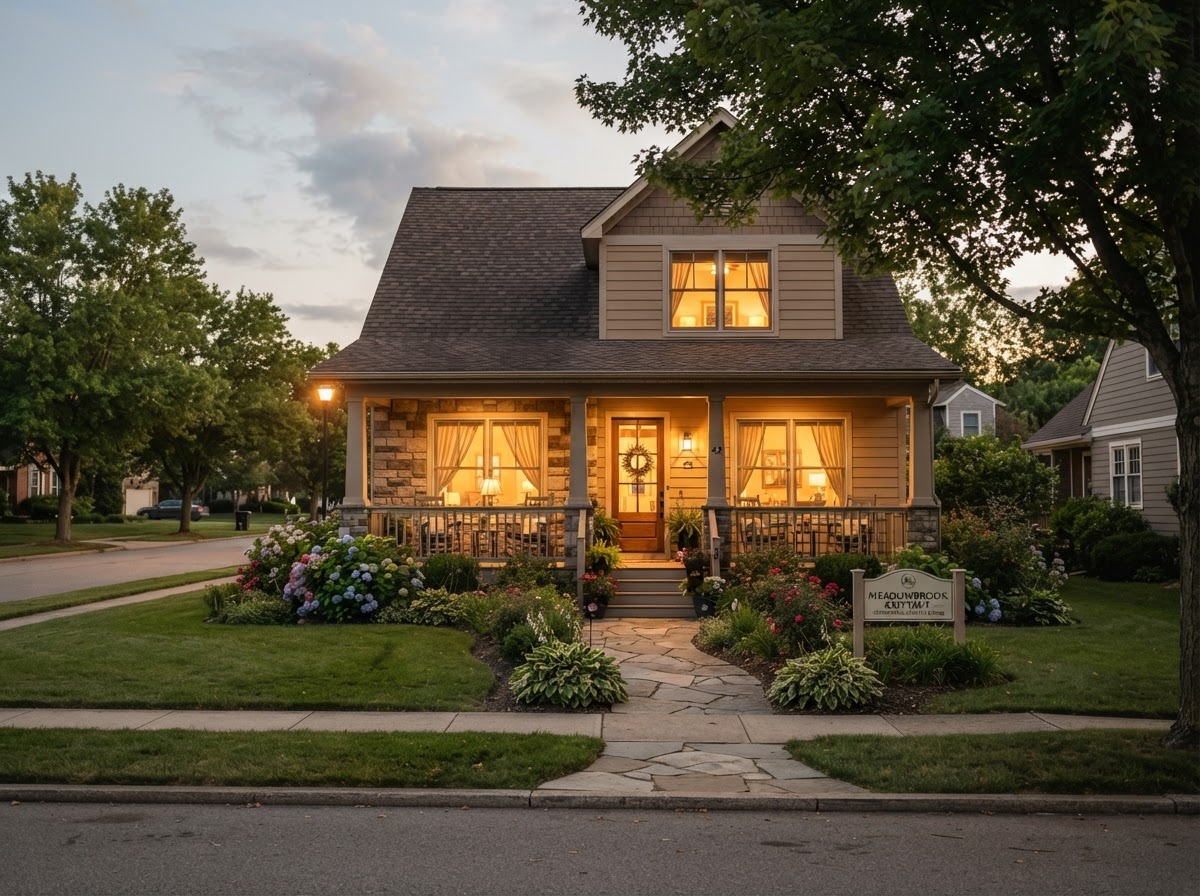
Small residential homes
Each home is a residential house serving 10 to 20 residents — not 100 to 200 in a big-box building. Care happens in a home, not an institution.
More caregivers
One caregiver for every 5 to 8 residents, compared with one for every 20 to 30 in a typical big-box community.
Clustered in local pods
Homes are clustered in local pods that share nursing and leadership, so care stays consistent and close to home.
Come visit
Families are invited to visit the homes and meet the caregivers who look after their loved ones.
Small Home vs. Big Box
The seniors are the same. The way they are served is different.
| The Big-Box Way | The Shepherd Premier Way | |
|---|---|---|
| Setting | Large institutional building | Residential home |
| Residents per building | 100 to 200 | 10 to 20 |
| Residents per caregiver | 20 to 30 | 5 to 8 |
| Footprint | One large property | Several homes clustered in local pods |
| Care model | Built for scale | Built around the resident |
Is senior housing a fit for your long-term plans?
Eight short questions about your goals, your timeline and your investor status. At the end you'll see whether a conversation with Brandon makes sense, and if it doesn't, why.
Take the QuizFor education only. This quiz is not investment advice, a recommendation, or an offer to sell any security.
Meet the founder
Brandon Schwab founded Shepherd Premier Senior Living in 2014 after watching his grandfather receive impersonal care in a large institution. He built the alternative he wanted for his own family: small homes, high caregiver ratios, and owners who know every resident by name. He and his wife Kelli own and operate the company together, supported by a licensed nursing home administrator who oversees care standards across the homes.
No offer on this site
This site is education about senior housing and how Shepherd Premier operates. It does not describe or offer any investment. Information about any investment opportunity, including terms, fees, risks and sponsor disclosures such as pending legal and regulatory matters, is shared only with investors whose accredited status has been verified by a third party.